Fifteen years of fascination with bassoons
September 18th, 2026

Next month marks fifteen years since we founded Double Reed Ltd. in October 2011.
We will also be making some important announcements about our future.
Before we do, we wanted to look back—not simply at what has happened over those fifteen years, but at why we shaped the business as we did, what has motivated us and, above all, what we have learned.
Because where we are going next has a great deal to do with where we have been.
How we began
Oliver Ludlow started the business after graduating from university, having spent almost as much time during his degree buying, selling and repairing bassoons as studying.
The reason was simple: a fascination with the bassoon that had begun years earlier.
Playing them, listening to them, comparing them, repairing them and trying to understand why one bassoon could feel and sound so different from another had become an absorbing interest.
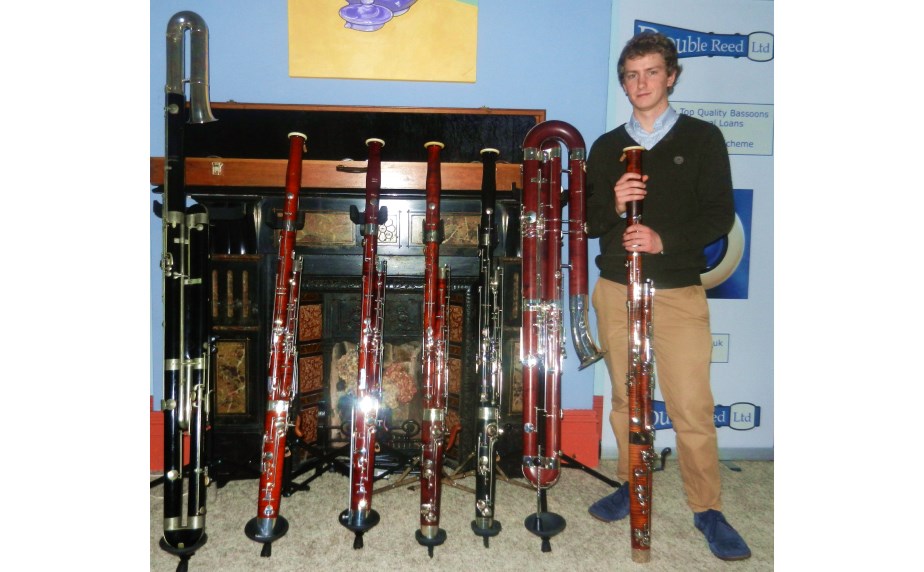
The bassoon is, after all, an endlessly fascinating instrument. It is demanding to play, acoustically complex and mechanically idiosyncratic. It has evolved over centuries rather than being designed afresh, and that long process of development has given it both its quirks and its extraordinary personality.
Oliver remembers:
“My experience of the bassoon as a player was foundational to everything that came afterwards.
“From quite early on, my bassoon felt like more than an object. In some sense it felt part of me—or perhaps like my shadow. It became part of my identity.
“What surprised me was discovering how many other bassoonists felt something similar. That was really where the idea for the business came from: sharing my fascination—perhaps passion is the better word—with other people who cared about the bassoon as much as I did.”
That was the world the business set out to explore and share.
Going deeper
In the early years, much of our work involved student and intermediate bassoons, something that remains an important part of what we do.
But curiosity soon took us further.
Becoming a general woodwind dealer was never particularly appealing. We wanted to specialise more deeply: to understand the bassoon better and to work with instruments that gave us something new to investigate.
Increasingly, that meant unusual, historic and high-performing bassoons—sometimes from famous makers, sometimes obscure instruments that simply deserved a closer look.
Oliver says:
“For many years I got almost as much pleasure from finding and buying interesting bassoons in unexpected corners of the world as I did from selling them. I was often genuinely sorry to see them go.
“There is something wonderful about finding an instrument you haven't encountered before, working out what makes it interesting and then finding the player for whom it is exactly right.”
At the same time, repair and restoration became an increasingly important part of the business.
Many of the instruments we bought needed considerable work before they could perform at their best. What began with repairing and preparing our own stock gradually developed into a specialist repair and restoration service for other bassoonists.
As the business and workshop grew, so did the complexity of the work we could undertake.
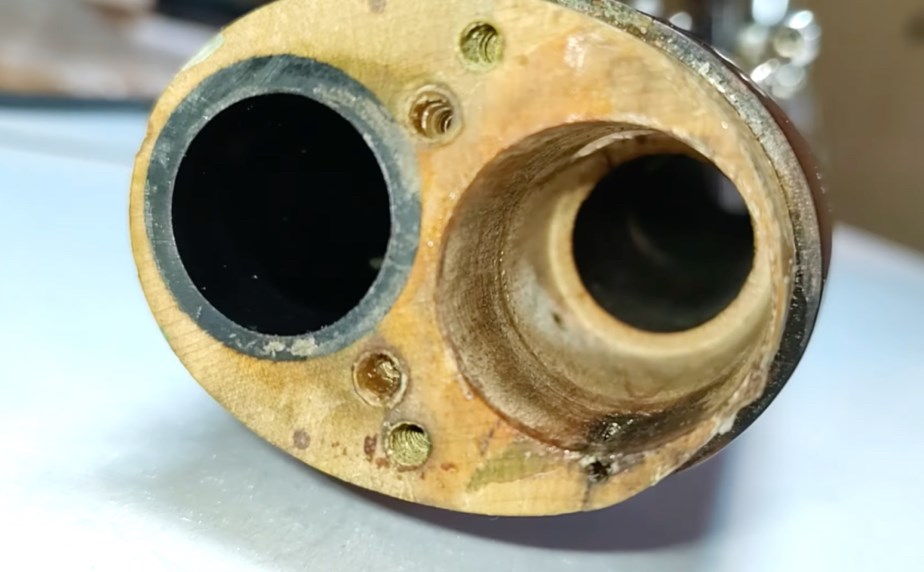
And with every instrument came another opportunity to learn.
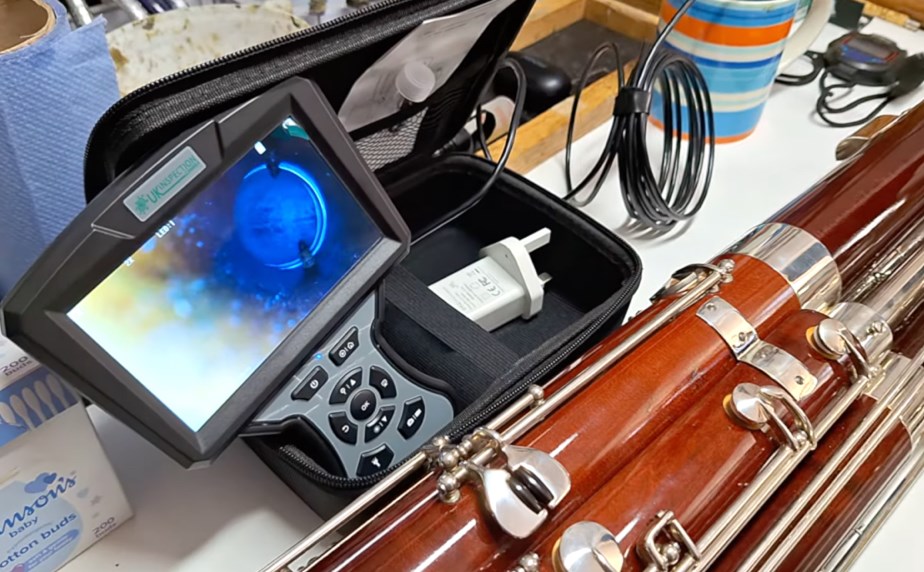
We could play it, dismantle it, measure it, restore it, regulate it and compare it with instruments from other makers, periods and design traditions.
Fifteen years of learning
Over the past fifteen years, more than a thousand customers have bought bassoons from us, and we have worked on at least as many instruments in the workshop.
But the numbers matter less than what those instruments—and the people playing them—have taught us.
We have talked with bassoonists from around the world: students, committed amateurs, teachers, historical specialists and leading orchestral players.
We have heard what they love about their instruments, what frustrates them, what makes them feel secure and what allows them to play as they want to play.
Oliver says:
“One of the things I enjoy most is simply meeting other bassoonists.
“I have learnt an enormous amount from conversations with players from all over the world. Everyone approaches the instrument slightly differently and everyone notices different things.
“And helping somebody choose a bassoon can be surprisingly emotional. For some people it is one of the biggest and most personal purchases they will ever make. We have had customers in tears when they finally found the instrument they wanted.
“I understand that. A bassoon can mean far more to its owner than simply being a piece of equipment.”
That exchange of knowledge has happened in many different ways.
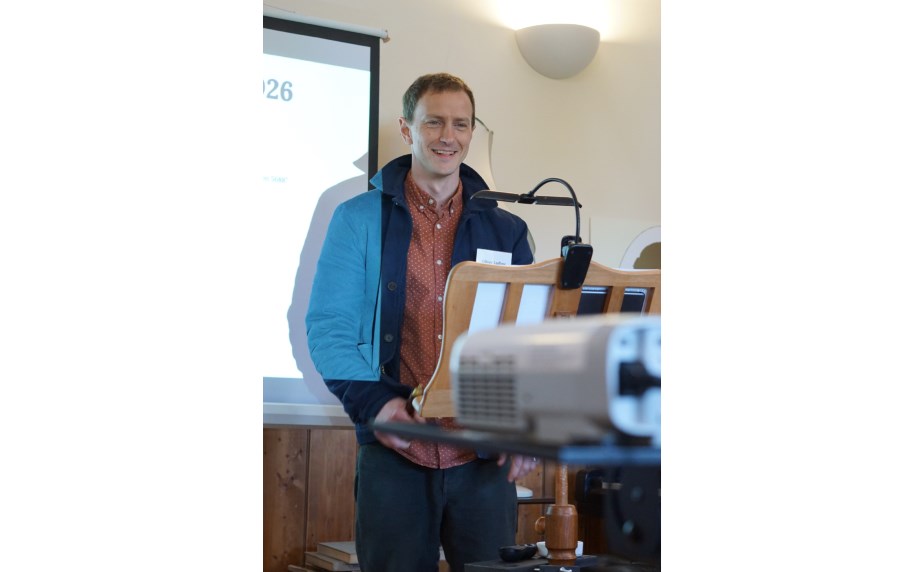
We have organised and hosted events such as the Waterhouse Bassoon Days, bringing players, makers, researchers and enthusiasts together to talk, play, compare instruments and exchange ideas.
Our interest in unusual bassoons also led naturally towards the history of the instrument.
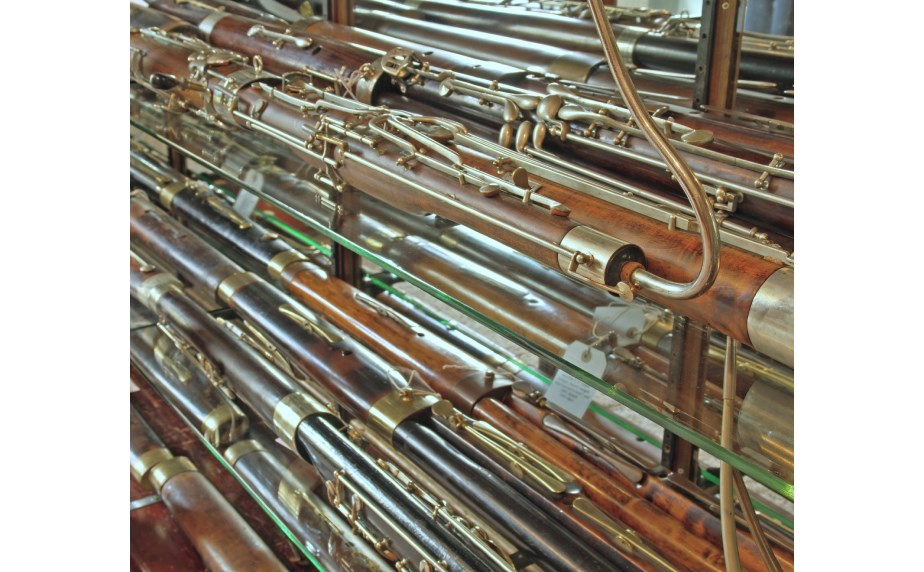
Over time we accumulated a collection of historical bassoons and, in 2024, established the Veriam Music Trust to preserve them and make them available for study and research.
That collection itself began rather less strategically than it now sounds.
As Oliver puts it:
“We never actually decided to build a collection. I just kept seeing interesting bassoons for sale and couldn't resist buying them.
“Eventually it became obvious that we ought to do something useful with them. Since establishing the Trust we have also received many generous donations, and it now has a particularly good collection of British bassoons.”
What comes next
Looking back, there is one thread running through all of this.
Curiosity.
We have never stopped wanting to understand the bassoon better: how it works, why different instruments behave as they do, what players need from them, what can be improved and what should be left well alone.
And every answer seems to produce another question.
Fifteen years on, that fascination is undiminished.
But fifteen years of playing, repairing, restoring, studying and talking about bassoons has also left us with a considerable body of knowledge—and some increasingly ambitious ideas about what we might do with it.
Next month, we will begin sharing the next part of the story.
We hope you will follow the journey.


News and guides